
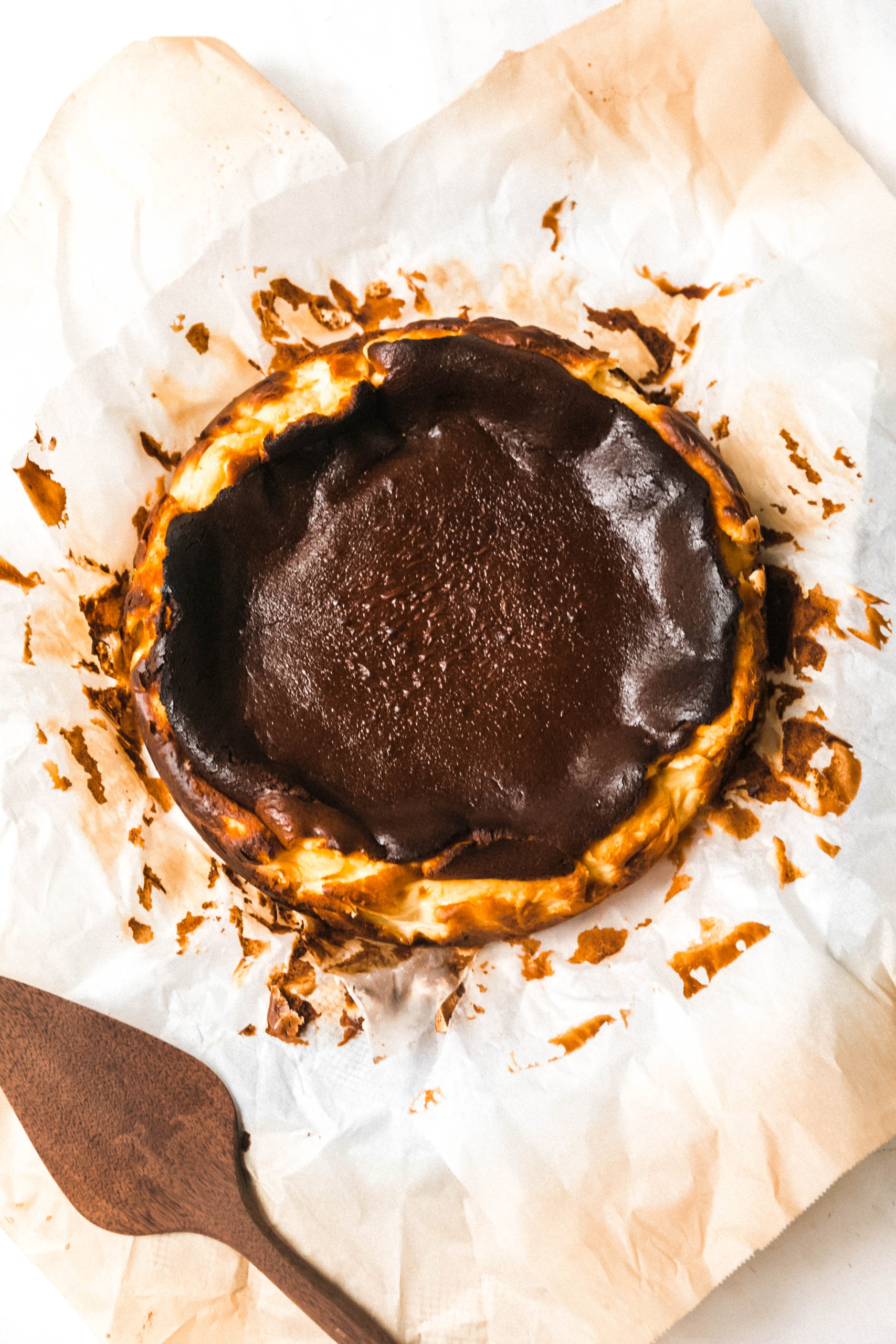
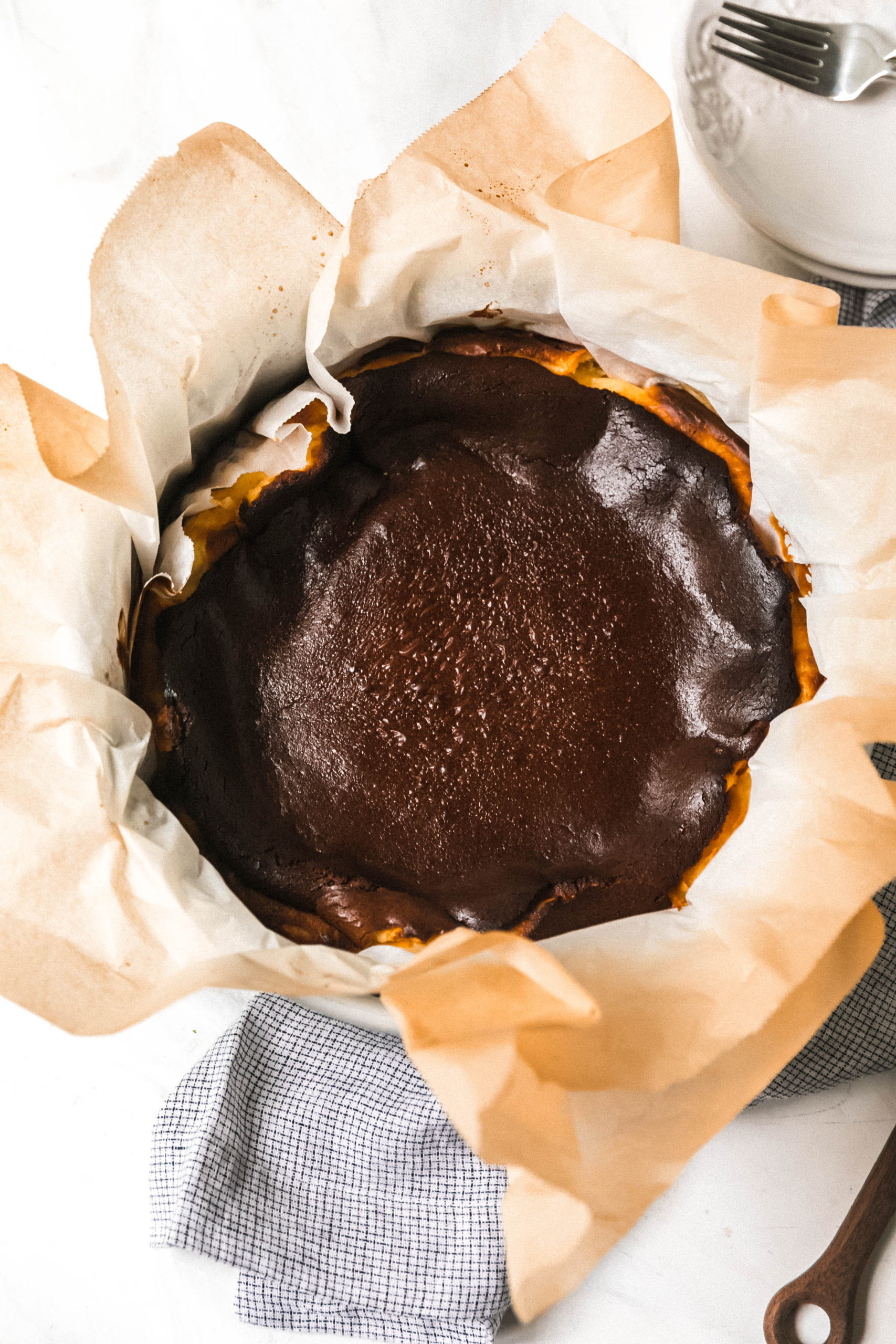
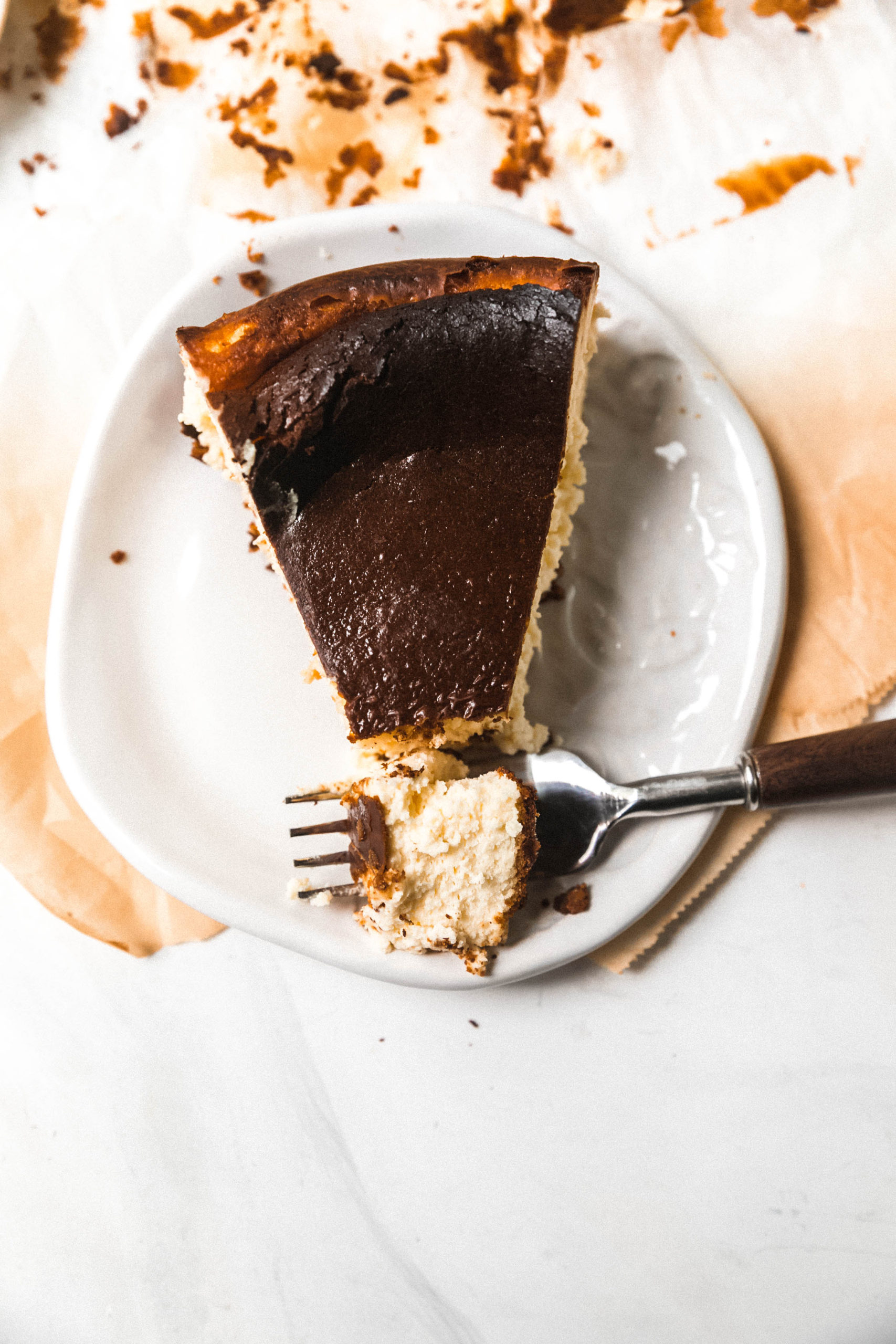
 Yes, I am telling you to make a recipe with “burnt” in the title. I’m not off my rocker—Basque burnt cheesecake is a dessert recipe that’s been trending for the last year or so. It’s low maintenance, unique, and, well yes, something burnt can taste good. Don’t let the color scare you! Think about all the things that make crème brûlee good: creamy, sweet custard with a sugary caramelized crust.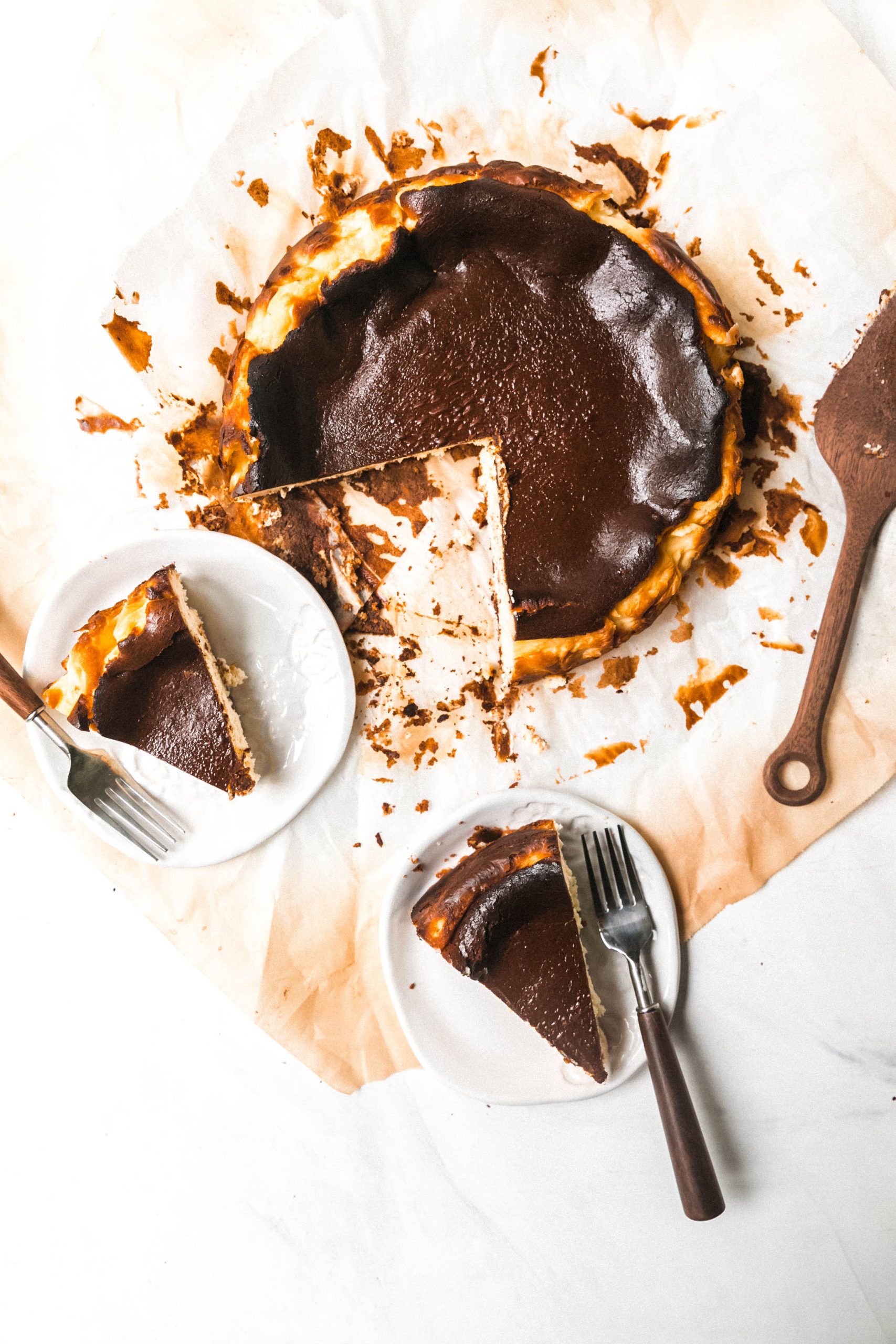
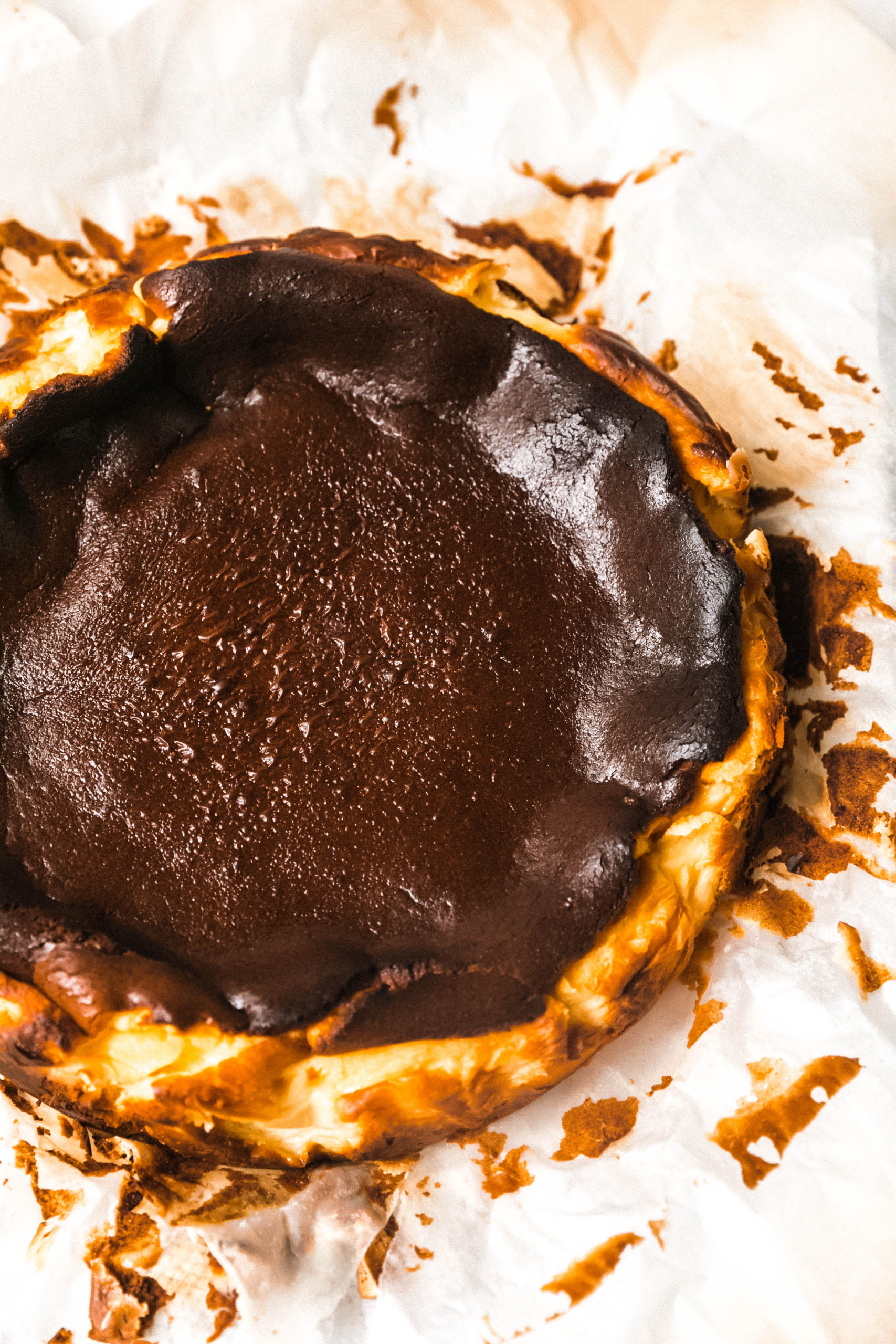 This cheesecake breaks all the rules: There’s no crust and no water bath, it’s baked at a high temperature, and organic shapes and cracking are encouraged. It’s baked in a parchment-lined springform or cake pan, providing all those creases and crevices. \The top turns a rich golden-brown color with a slightly bitter, caramelized flavor to offset all the sugary sweetness in the cheesecake. You don’t even have to chill it if you want to serve it at room temperature. Let it cool for a few hours after baking and serve as is. You can make it ahead and refrigerate it—just make sure to take it out of the fridge with enough time to take the chill off before serving.
The one cheesecake rule you MUST follow is that the ingredients should be at room temperature, from the cream cheese to the cream to the eggs. This will ensure a creamy, lump-free batter. Other than that, break all the rules!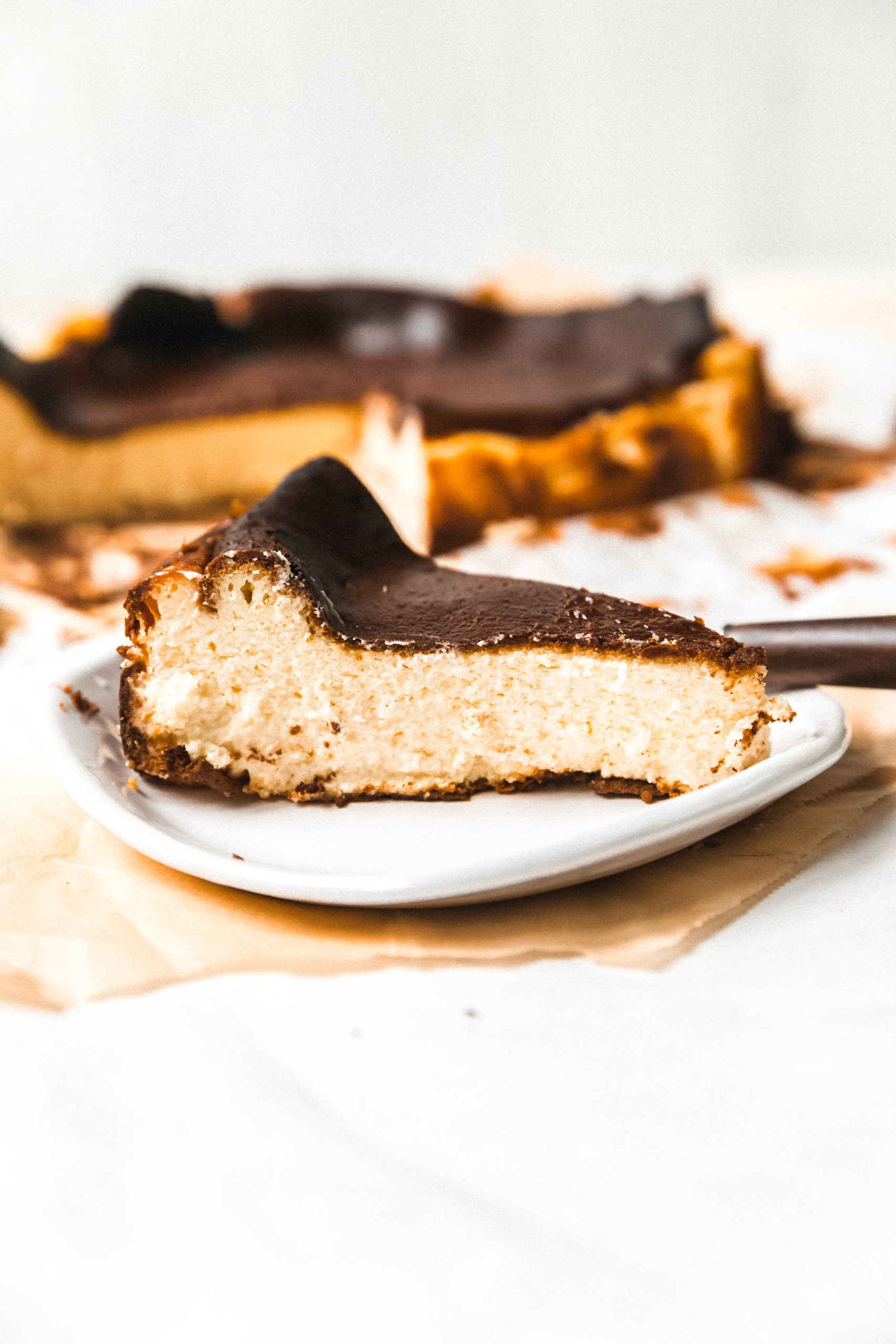
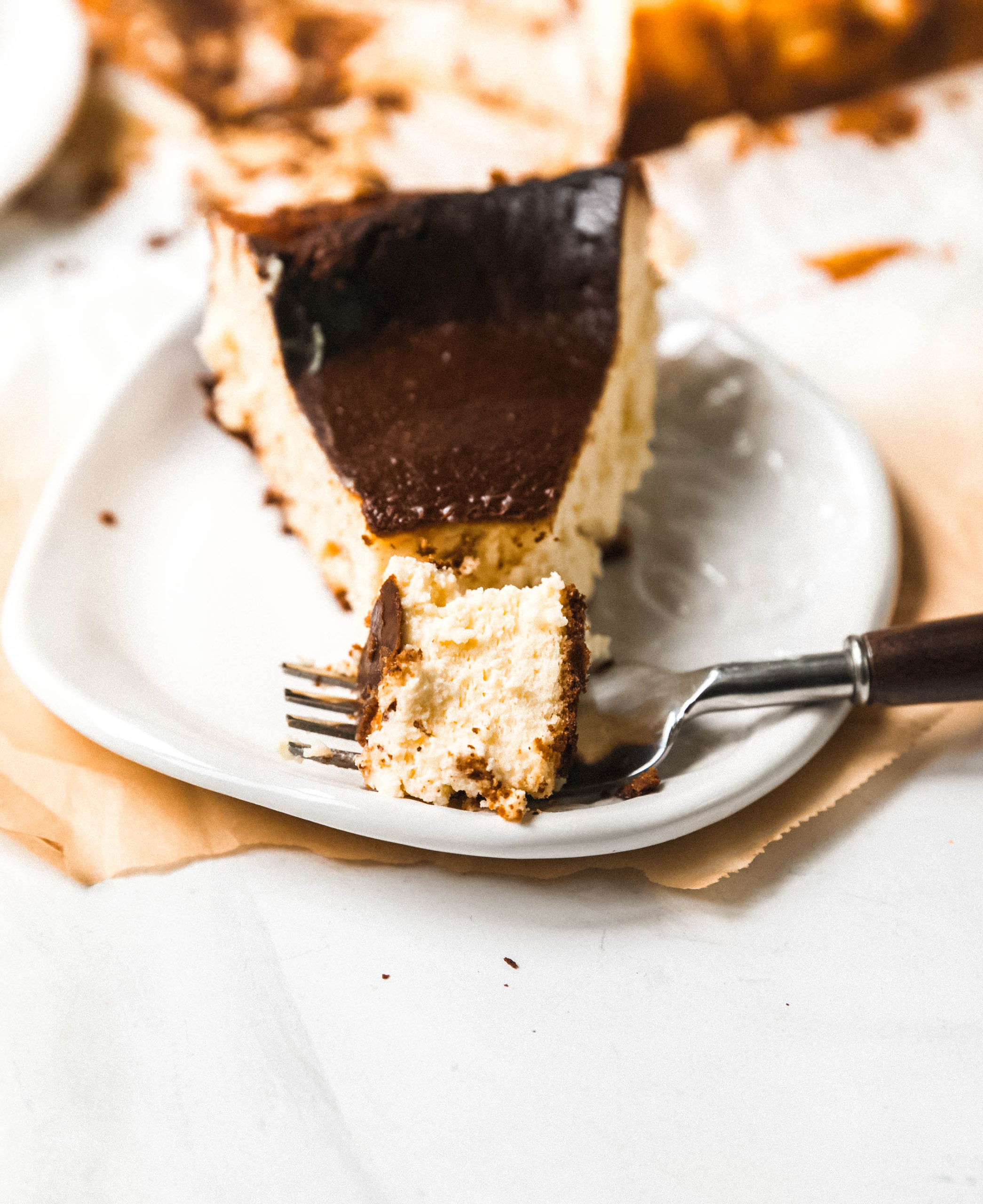 This is a Basque-inspired recipe from Spain with a few simple ingredients you almost always have on hand, so you can whip this up anytime you have a cheesecake craving or need a dessert to serve a crowd.
The high baking temperature will caramelize the exterior, forming a more sturdy crust on the bottom and that mahogany-brown top. If the deep color scares you, you can drop the temperature by 25 degrees once the cheesecake reaches your desired color. You may have to increase the baking time slightly, but make sure you pull the cheesecake when it still has a jiggle in the center. THIS IS CRUCIAL FOR ANY SUCCESSFUL CHEESECAKE. Yes, I’m yelling at you.
I used a 10-inch springform, as that’s a common size for most people to have. I’ve seen recipes using a smaller cake pan—anything for 6″ to 9″. This will produce a dramatically tall cheesecake, especially as the size of the cake pan goes down, but you will have to add time to baking to account for the increased thickness. 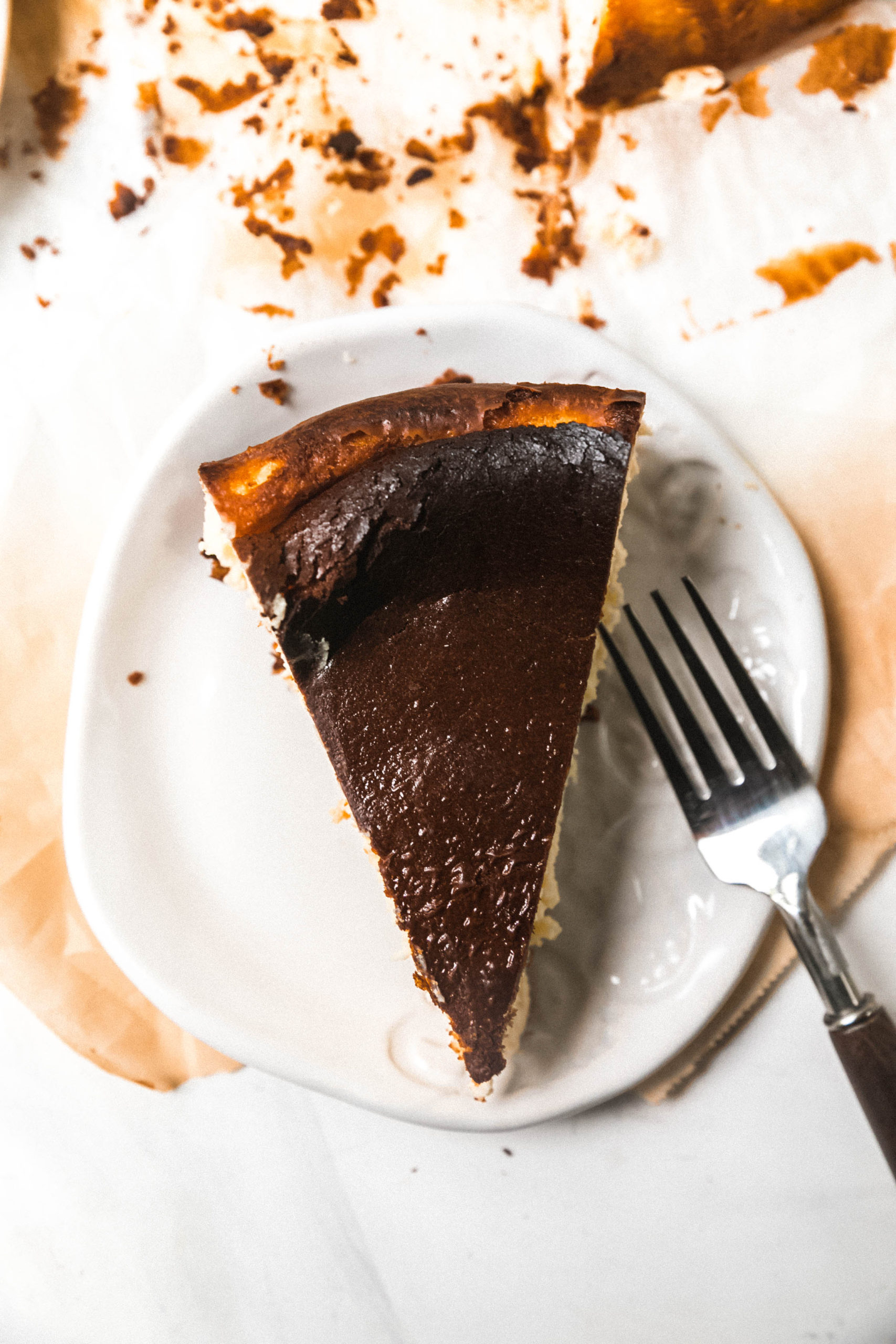 Go ahead, burn your cheesecake (but don’t overbake it).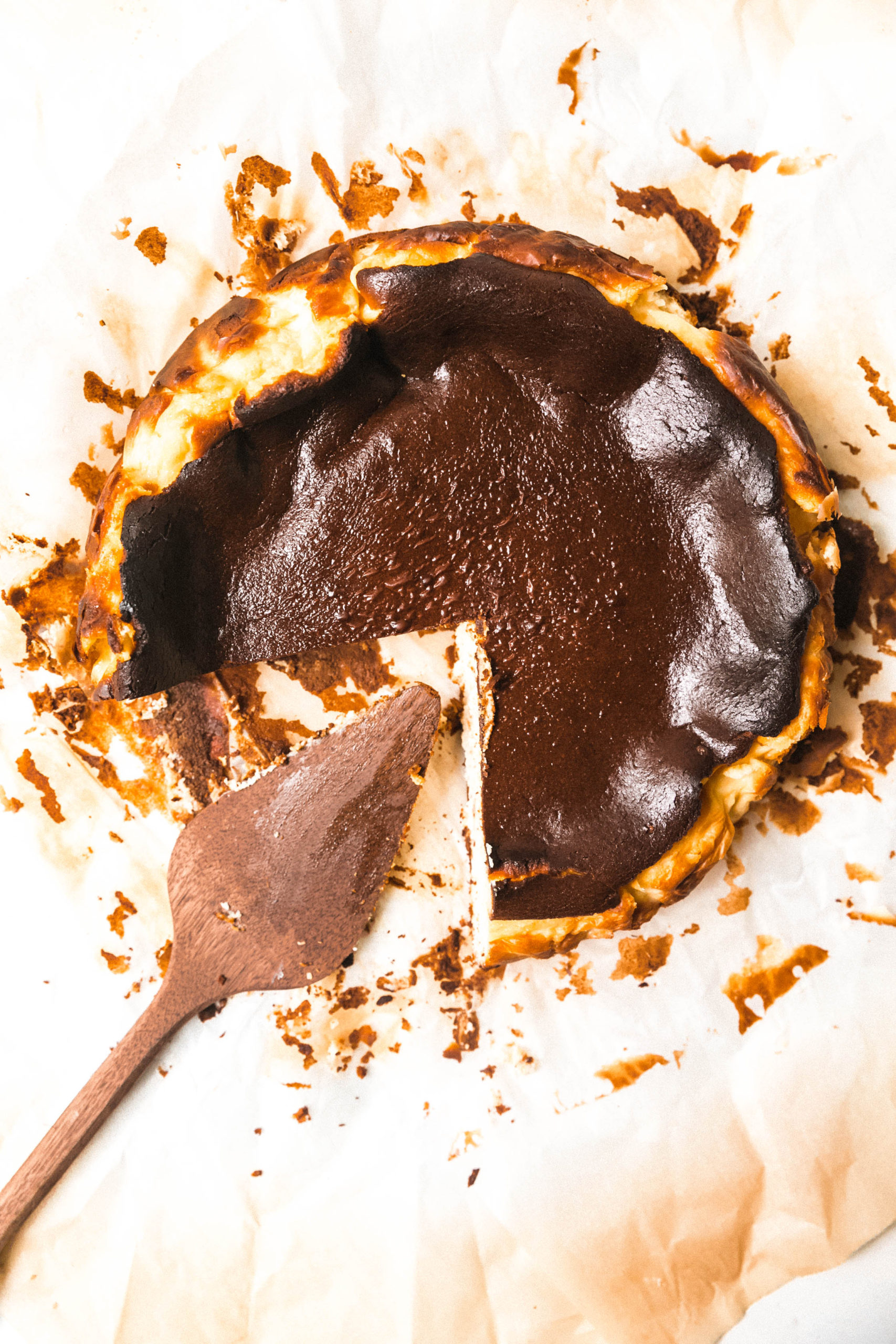
[tasty-recipe id=”39187″]
Leave a Reply