
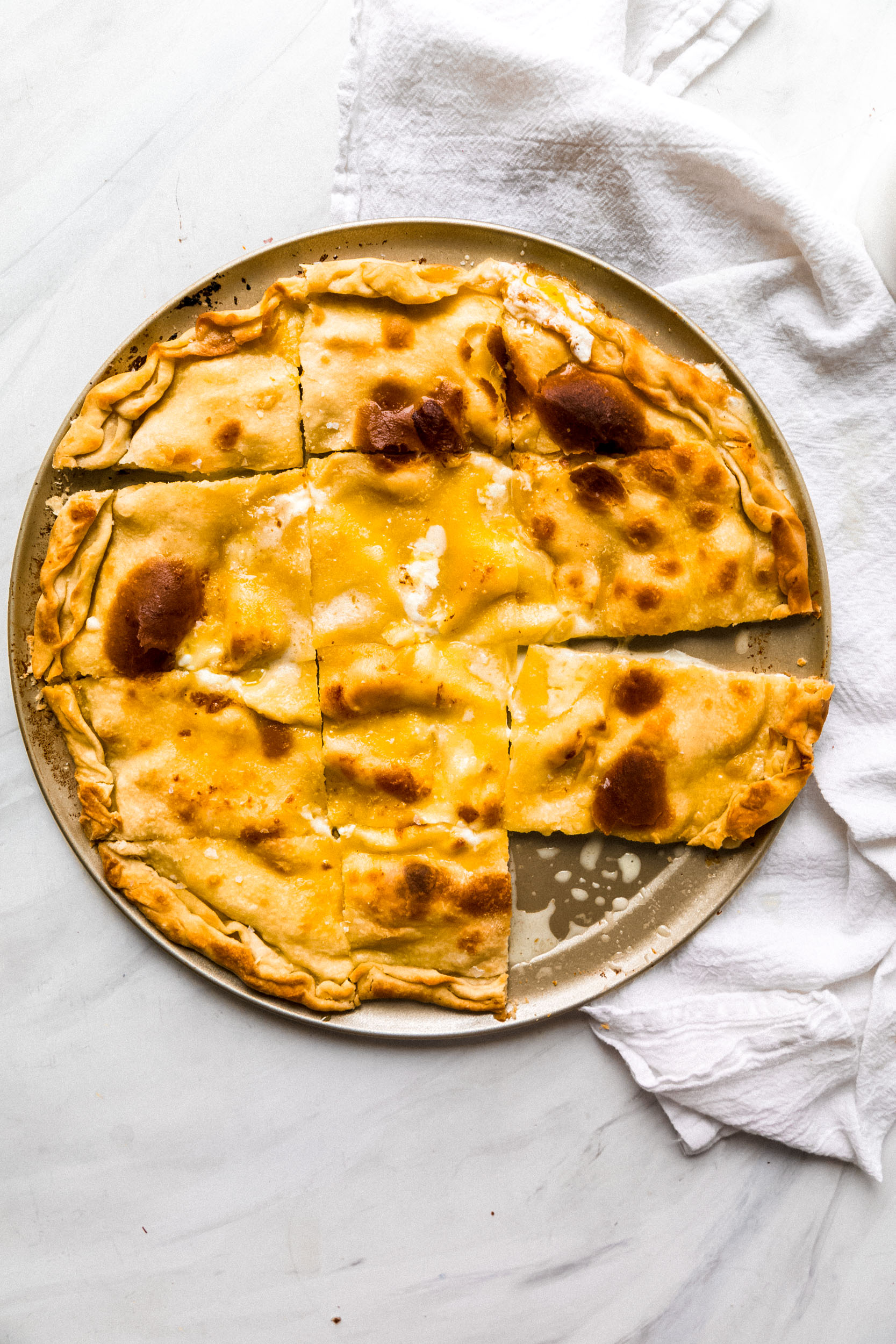
 Forget everything you know about focaccia: This version is a cheese-filled, olive oil-drenched, cracker-like version that very quickly consumed my every thought after I tried it.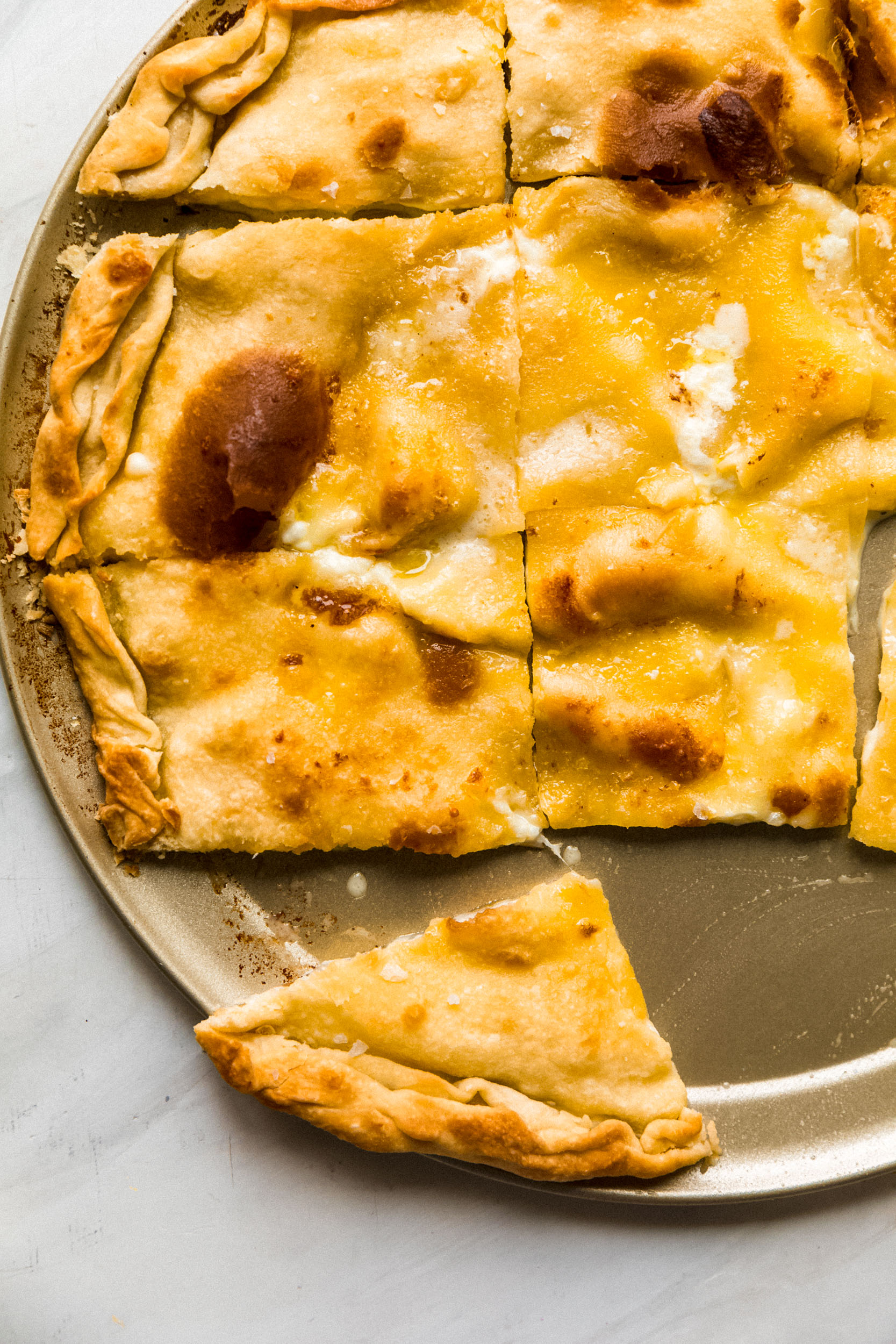
 I can’t remember the exact chain of events that lead to my obsession, but I think it started with seeing a photo of Mandy’s version of focaccia de Recco over on Lady and Pups. Her photos immediately captivated me, with its golden-brown crust and gooey cheese peeking out; I read the story with her recipe and become even more enthralled. What is this magic that caused both Mandy and Nancy Silverton, who inspired her version, to spend months, even years, to discover and perfect?
Focaccia de Recco is a flatbread from the Ligurian region of Italy, situated on the Italian Riviera. Liguria is best-known for the focaccia that likely comes to mind when you picture focaccia—thick, airy bread positively drenched in olive oil and sprinkled with flaky salt. Many flavor variations abound, but this is the most classic version of focaccia. While focaccia de Recco comes from the same region, it is so far from that other version (much beloved by me as well).
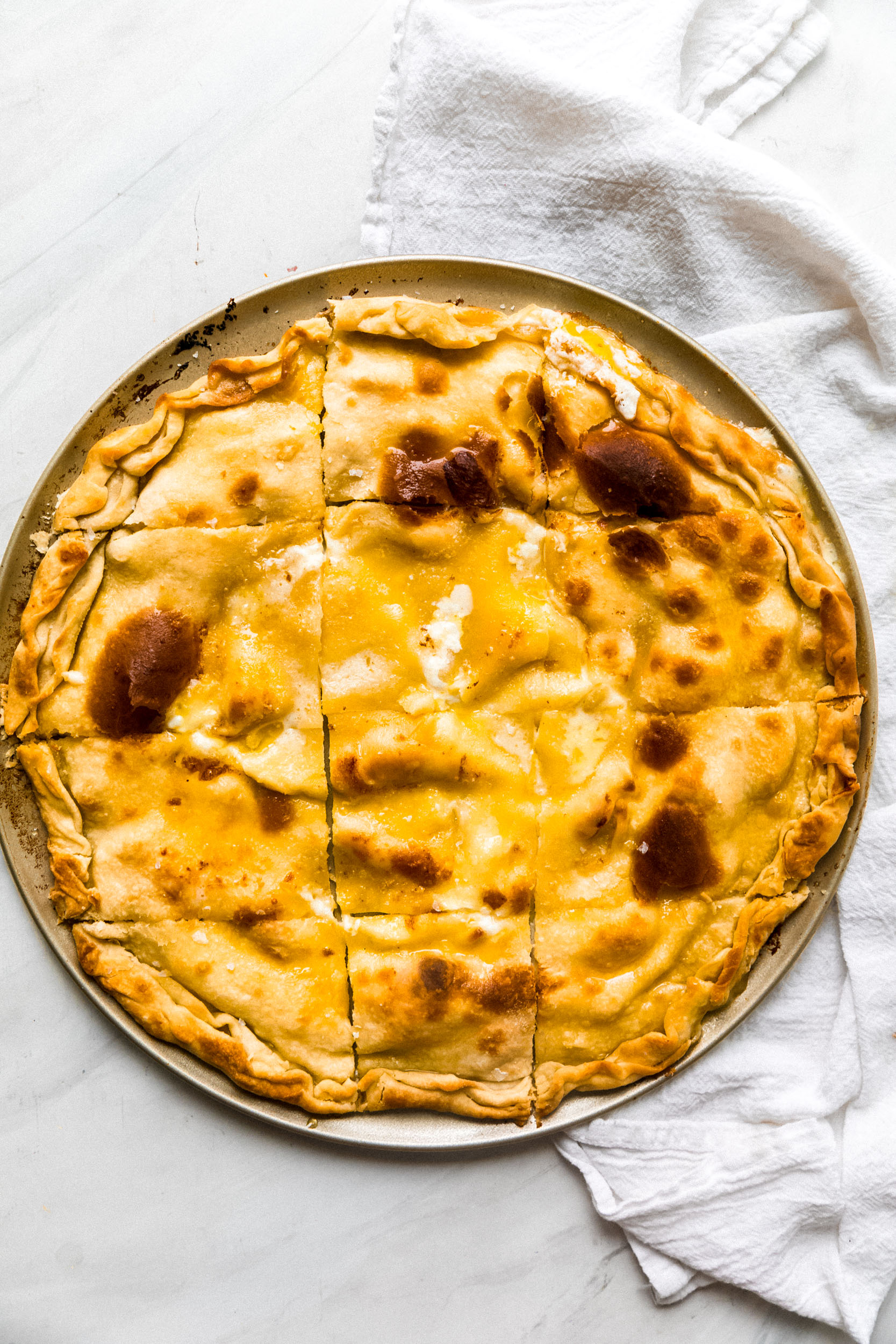
Legend has it at this version dates back to the Third Crusade. When invaders were raiding the coast, the citizens of Recco took refuge inland in the mountains. They made do with what little they had on hand, including flour, oil, salt, and cheese. Thus, focaccia de Recco was born—and it hasn’t changed much since.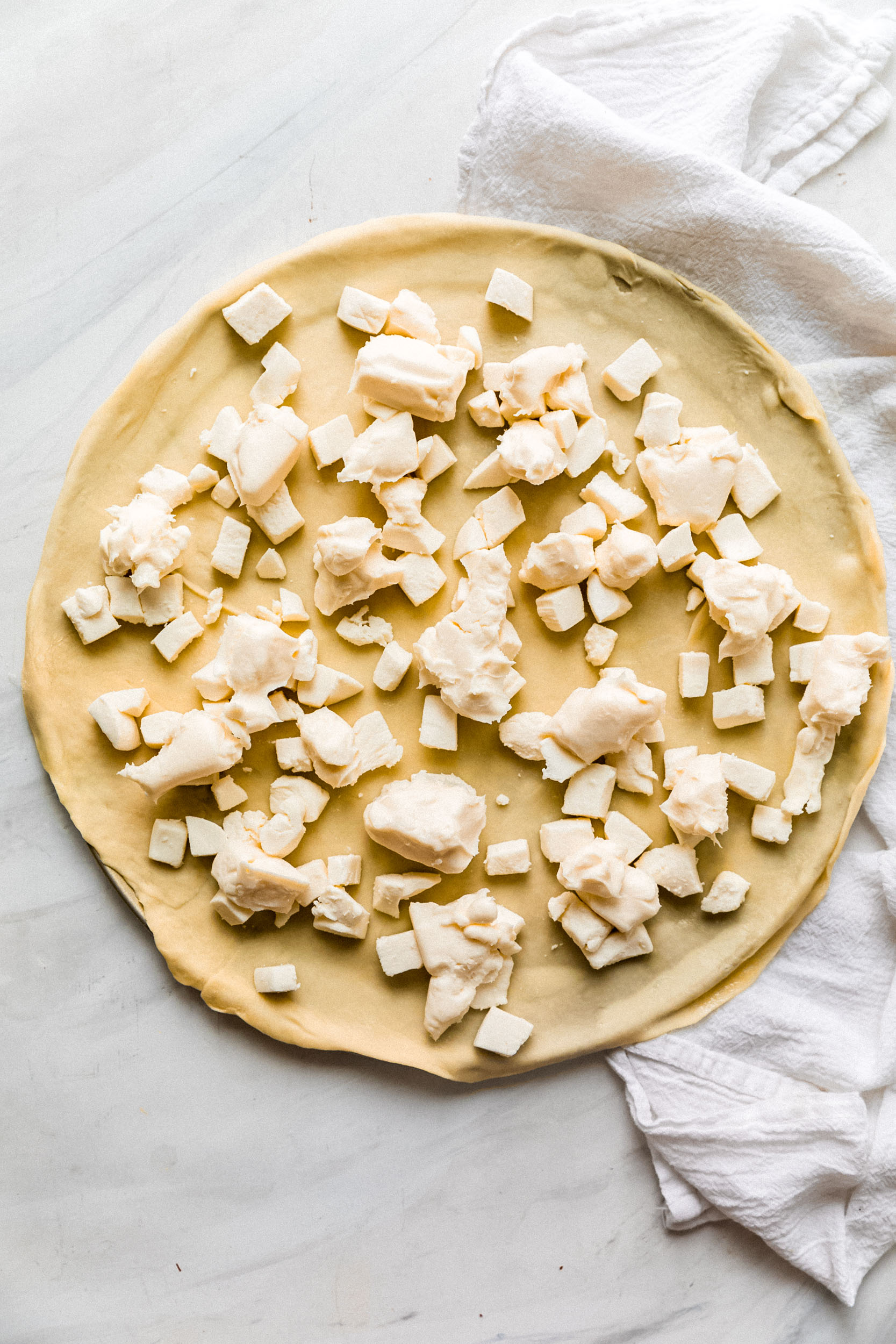
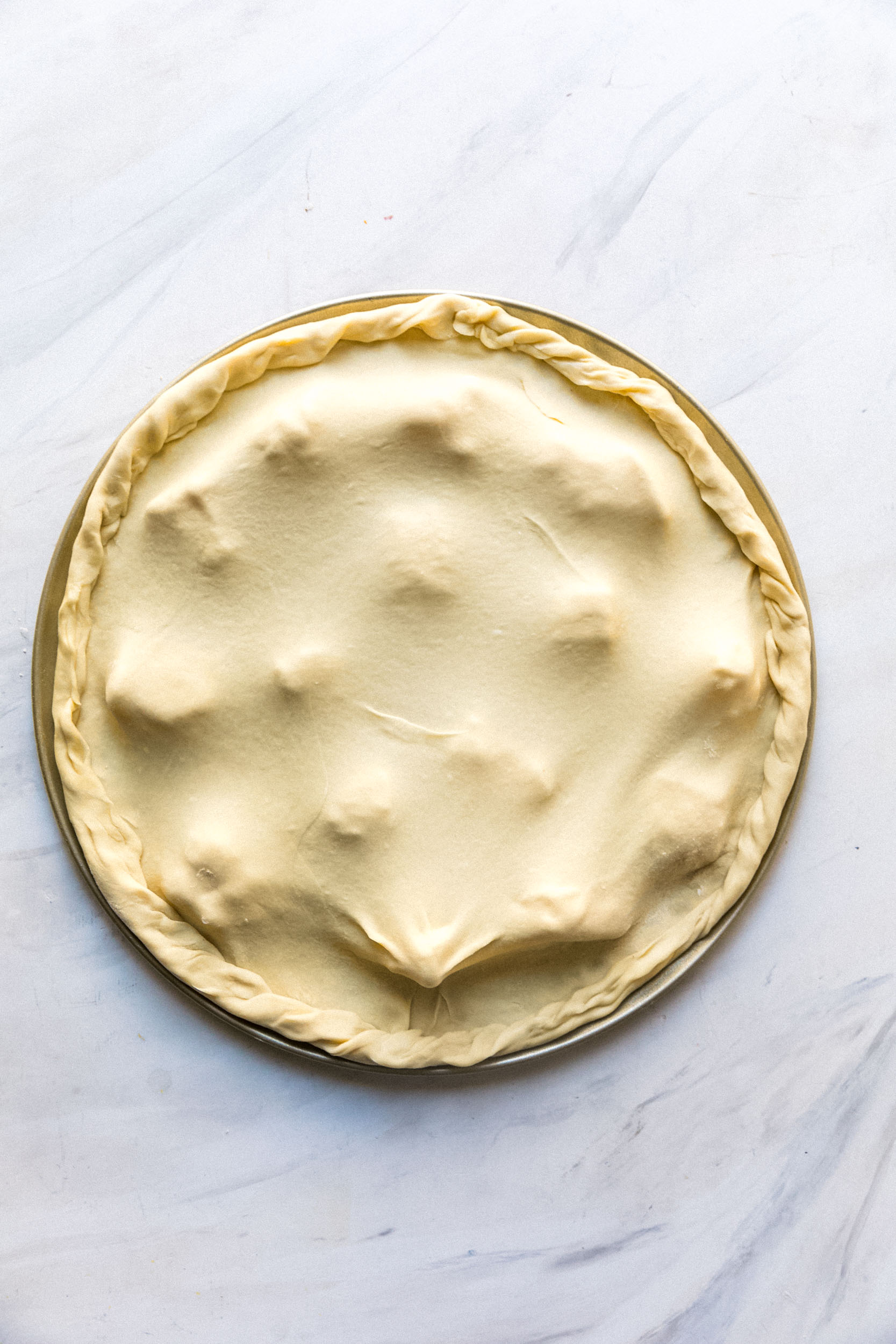 I used a recipe from Food52 as my starting point, written by the fantastic writer and cookbook author Emiko Davies. This is unleavened, meaning there is no chemical leavening or yeast in the dough. It’s worked to build up gluten and stretched almost impossibly thin (bread flour helps with this, so I highly recommend avoiding all-purpose flour), then sandwiched with a creamy cow’s milk cheese called stracchino (sometimes called crencenza). This cheese is difficult to source in the U.S. and likely dissimilar from the cheese used in Italy, but you can sometimes find a version from BelGiosa and, my very favorite, Bellwether Farms (which to my delight, you could order online up to a few days ago, albeit in three-pound portions—anyone want to go halfsies? Hoping they bring this option back soon). It’s very soft and creamy and slightly tangy, perfect with the rich olive oil that’s both in the dough and drizzled on top. Little holes are pinched open on top, which allows steam to escape, helping crisp up the flatbread, and, more importantly, letting the cheese ooze out a little bit.
I had some challenges when recreating this recipe. First, the original recipe from Nancy Silverton that inspired this whole adventure down the wormhole was not available at the time, though you can now get it in her cookbook, Chi Spacca. Also, as mentioned, finding this type of cheese was very difficult; when I did source it, using solely stracchino caused the entire pie to become wet, uncrisping the crispy bottom. The cheese layer almost disappeared (don’t ask me to explain how), so I went back to the original L.A. Times article I read about this whole fantastical flatbread and read that Nancy uses something in between stracchino and mozzarella. So guess what? That’s what I did! I combined the two cheeses and called it a day. Key to keeping the sog away from your focaccia is to cube the mozzarella, then press it on paper towels between two heavy objects to remove even more water. 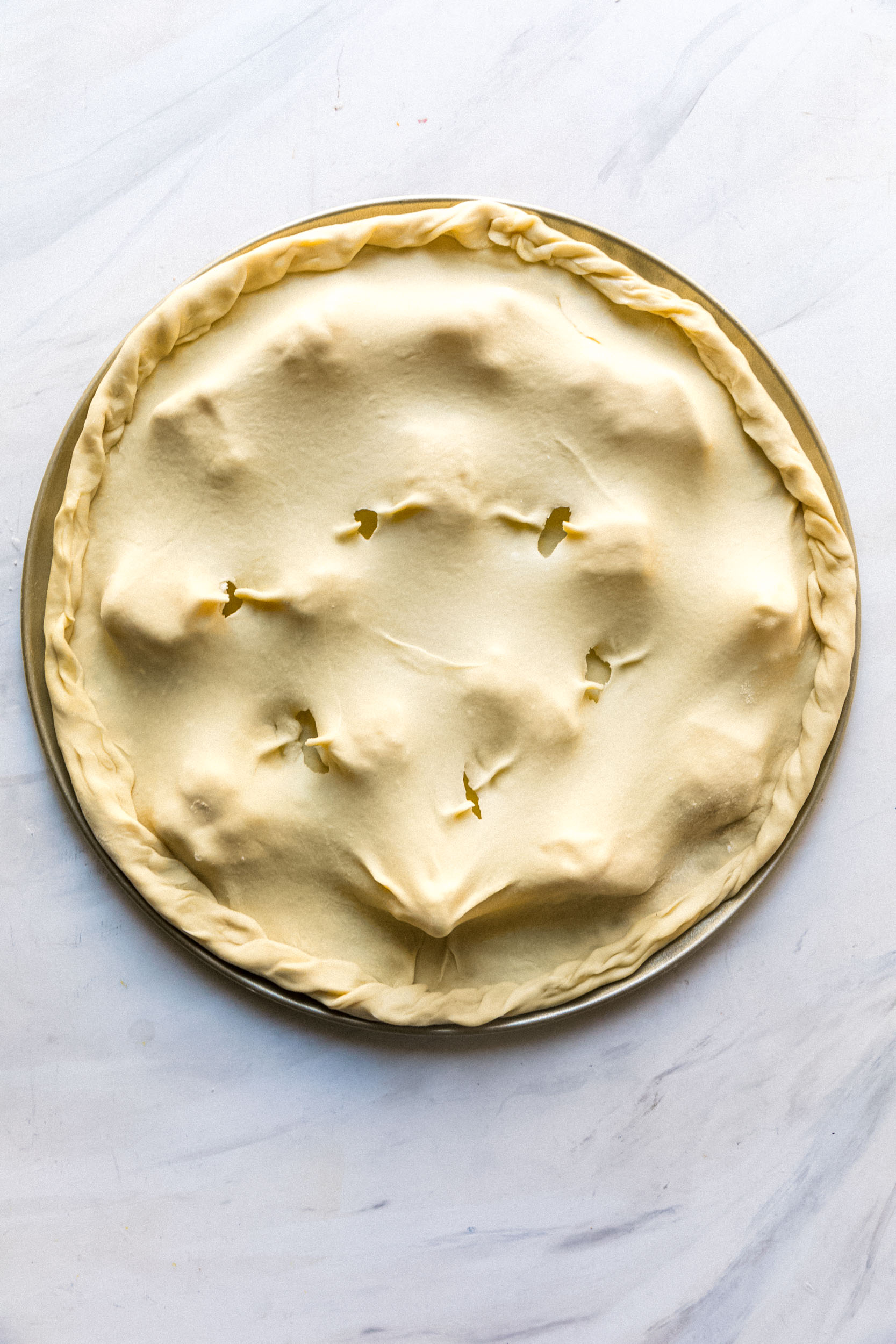
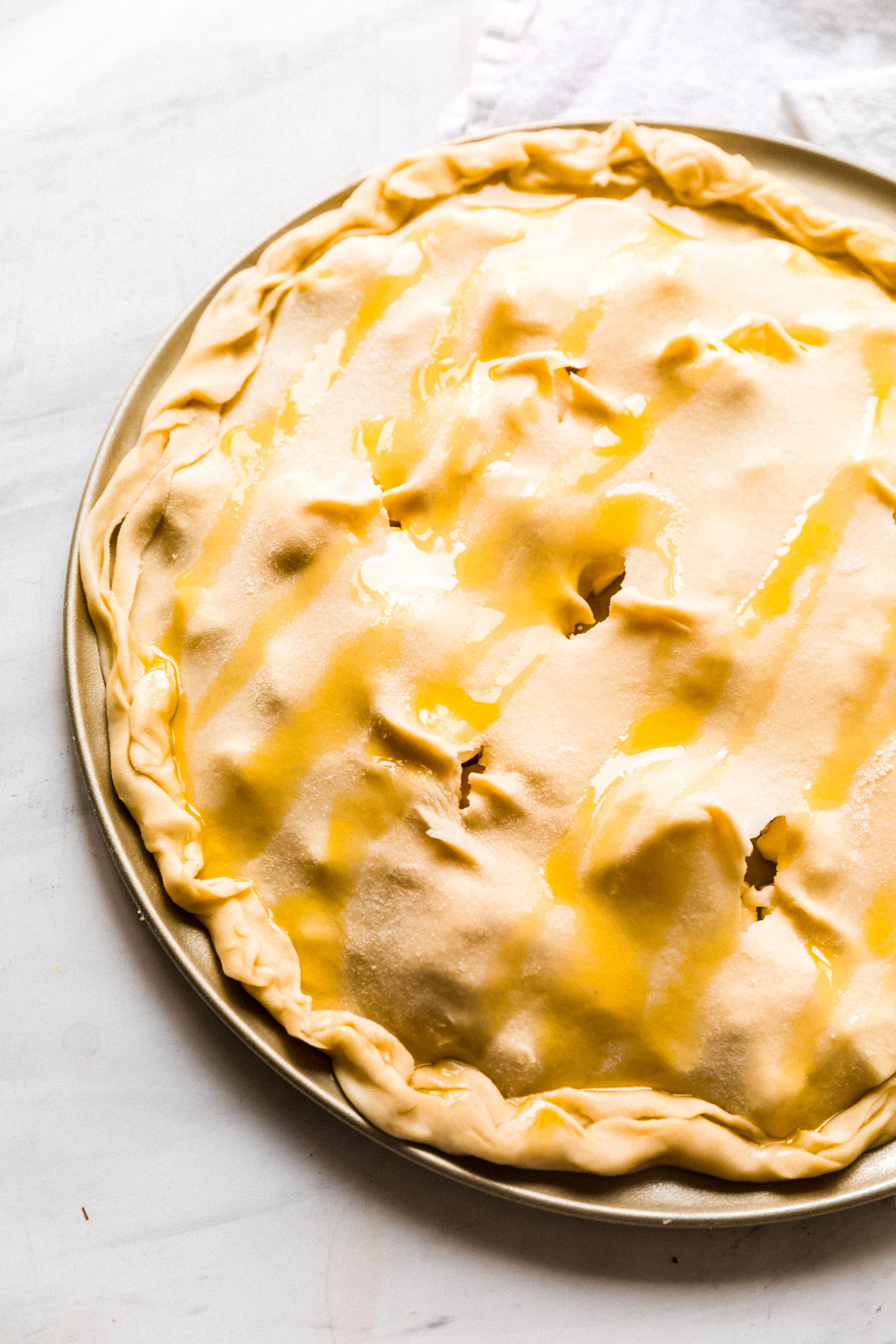 The original (and Chi Spacca) version is baked in special copper pans, which you can purchase on Amazon. I don’t have one (yet), so I used a 10-inch pizza pan that I placed on a very hot baking steel (per Nancy) to very good results. I have not yet had Chi Spacca’s or Recco’s authentic versions, but you best believe if I’m in L.A. or, even better, Liguria, I will be huffing it to the seaside town of Recco for what will likely be many bites.
For all the fanfare here, this is a very simple recipe to make. The dough is incredibly forgiving—tears in the dough are no big deal and encouraged in some respect! You can easily pinch the dough back together if needed, and the rippled, imperfect top is part of its charm.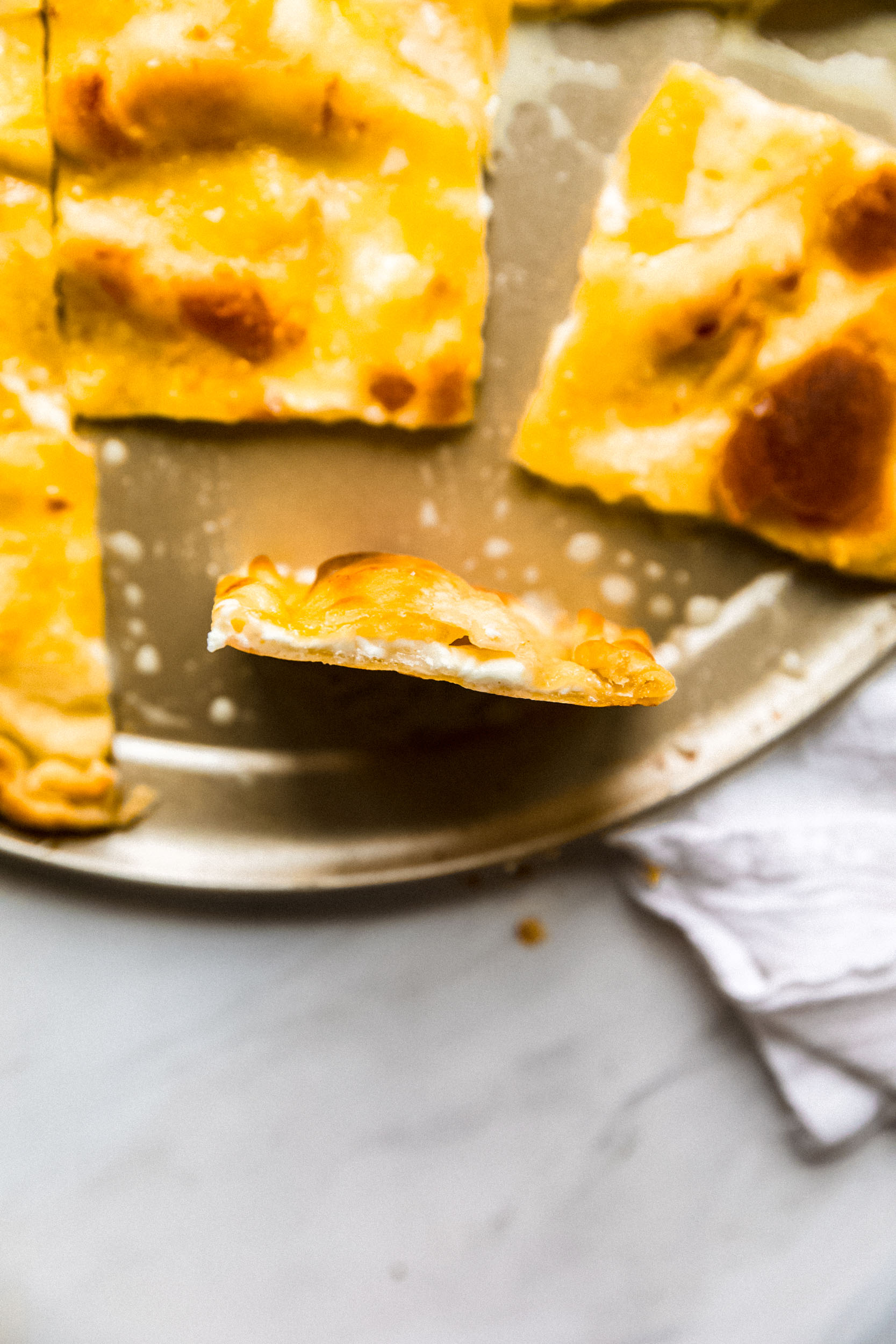
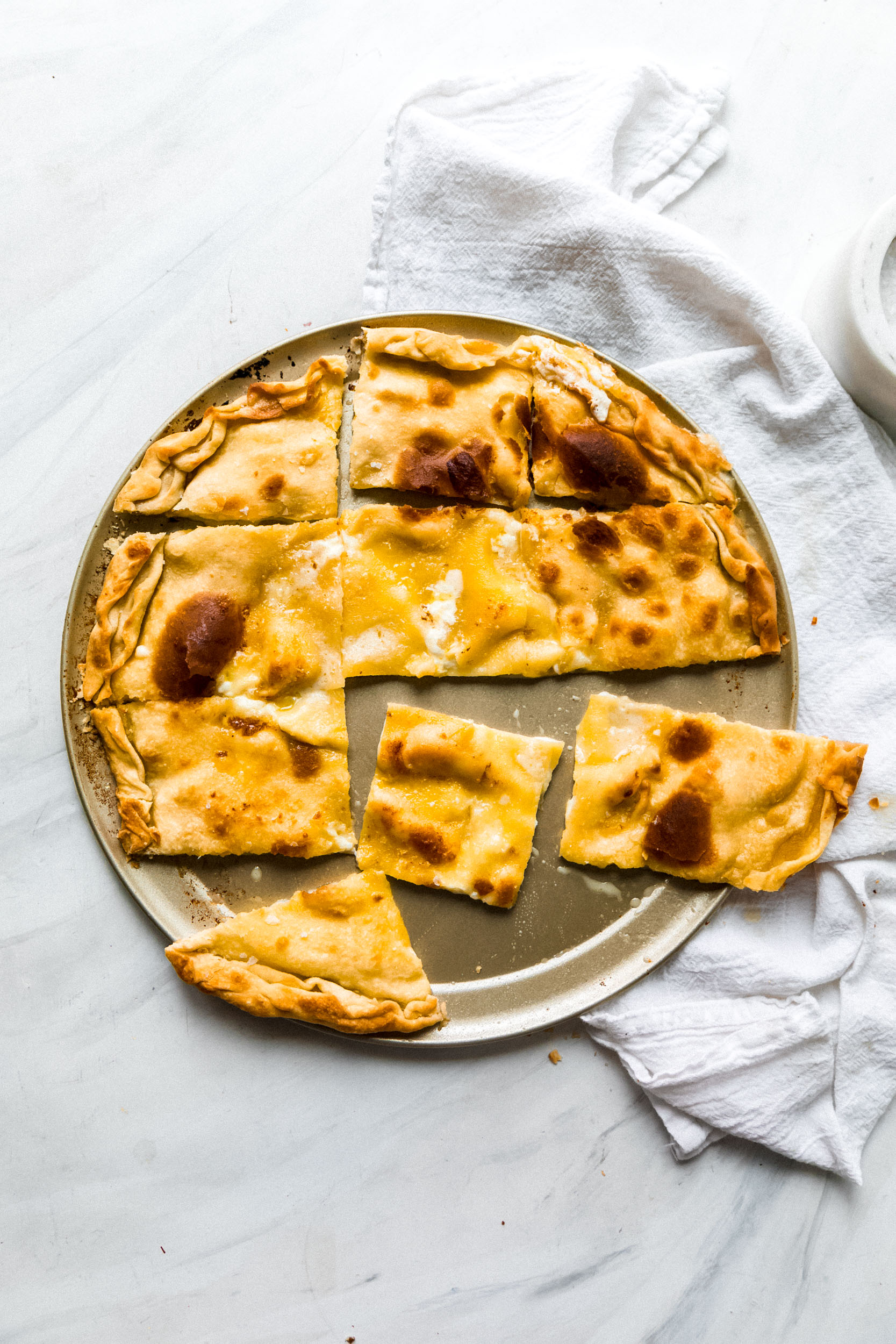 I can tell you for a fact that this is a VERY addictive dish, owing to the always-winning combination of cheese, bread, salt, and olive oil. I can quite literally eat the entire thing, but if you have some leftover, it’s also incredibly delicious right out of the fridge. I know, weird, right?
Bon appétit and enjoy! 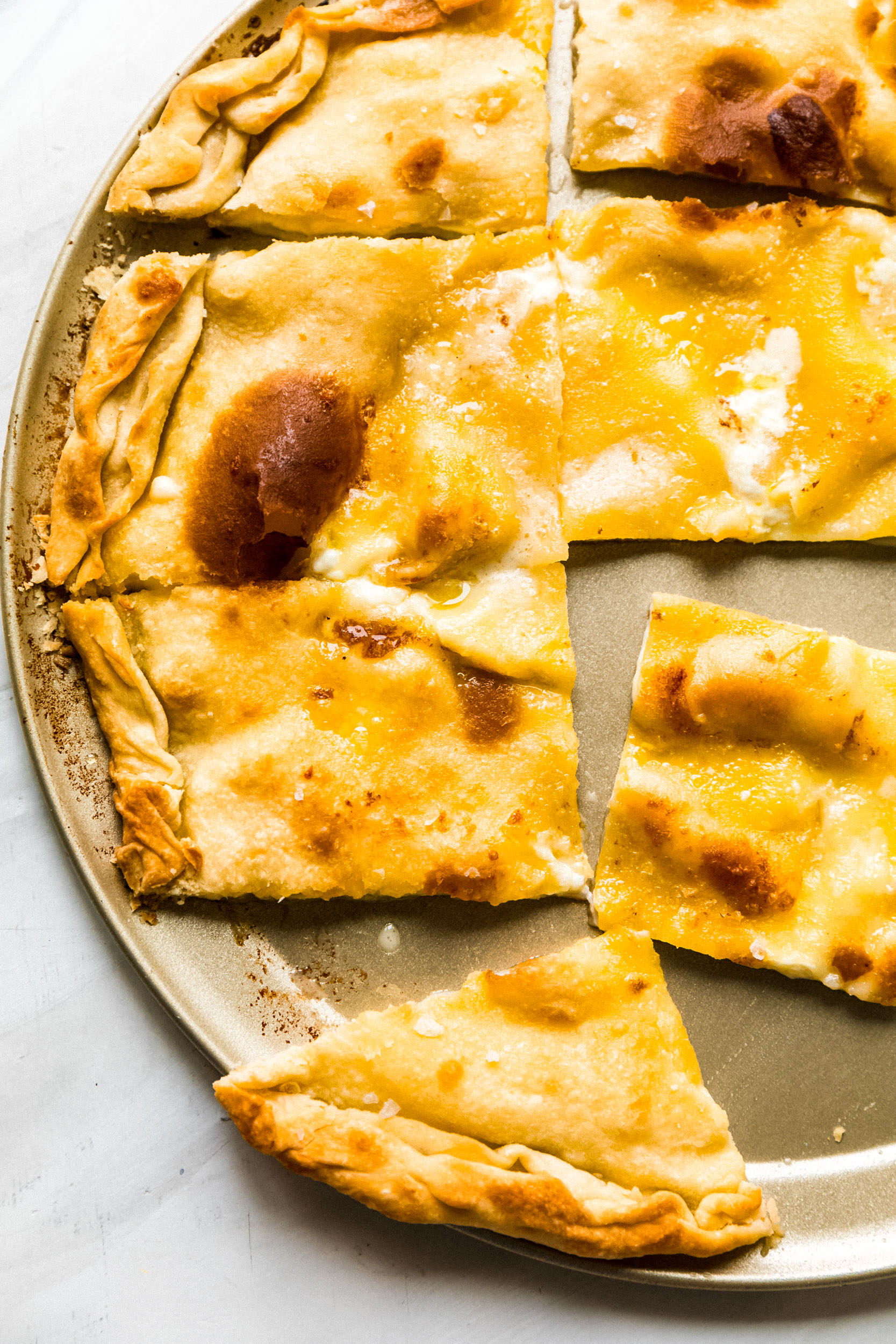
[tasty-recipe id=”41332″]
Leave a Reply