
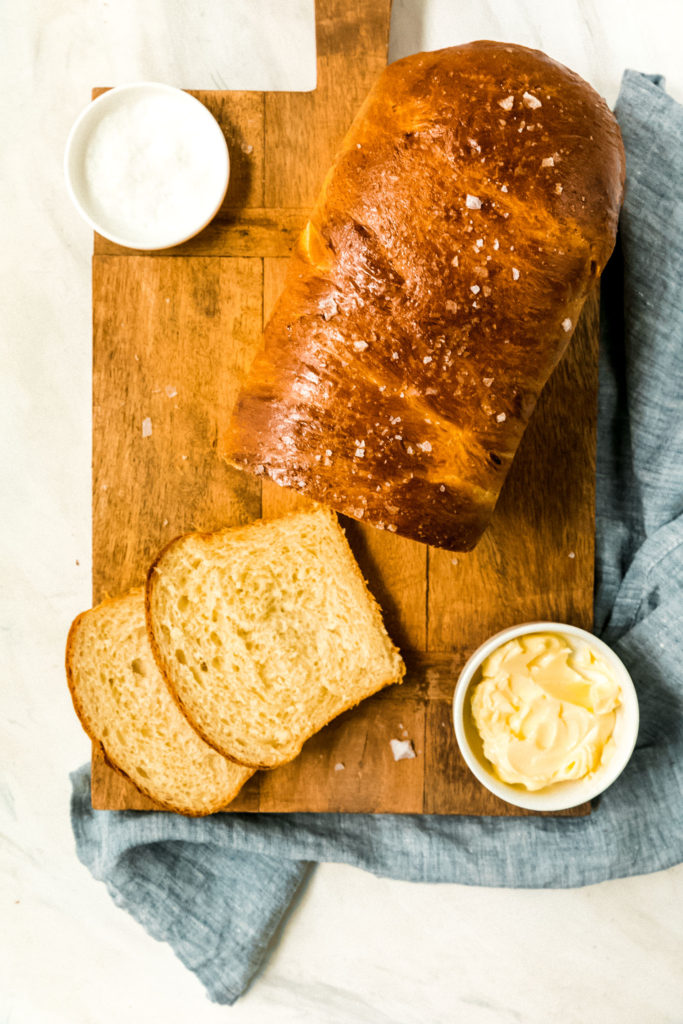
Discover how to bake Kindred restaurant’s famous milk bread with this homemade bread recipe. Learn about the Japanese technique of tangzhong for softer, fluffier bread that stays fresh longer. Perfect for beginners and baking enthusiasts alike.
Today, we’re diving into the fluffy, slightly sweet world of Japanese milk bread, also known as shokupan, and how you can bring a piece of Kindred restaurant’s heart into your own kitchen with their renowned milk bread recipe, courtesy of Food52.
A Slice of History: The Origins of Japanese Milk Bread
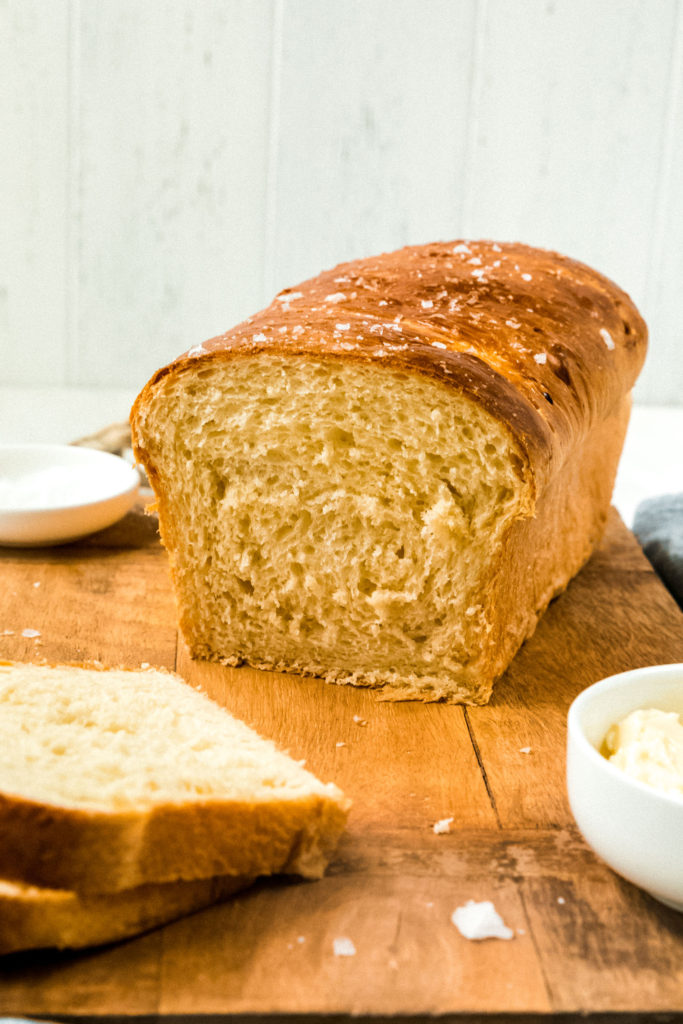
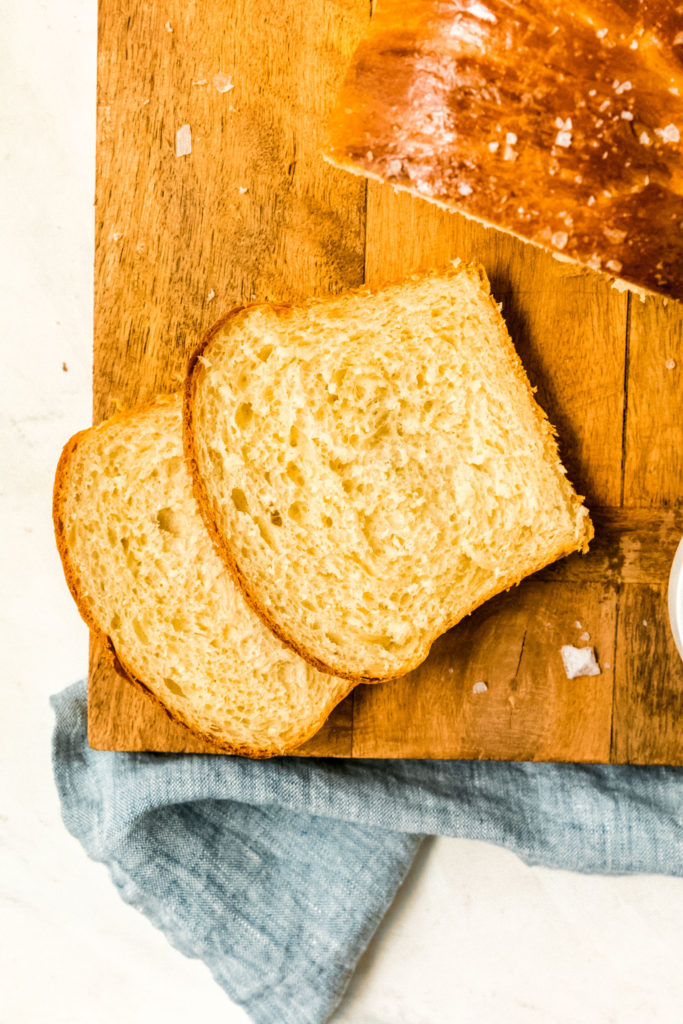
Before we roll up our sleeves and get our hands doughy, let’s take a moment to appreciate the origins of shokupan. This pillowy bread hails from Japan, where it’s a staple in bakeries and convenience stores alike. Its signature soft texture and slightly sweet taste are achieved through a special technique known as a tangzhong—a roux made from water and flour cooked together before being added to the bread mix. This method not only imparts a tender crumb but also helps the bread stay fresh longer. Shokupan has evolved into various shapes and forms, from the classic loaf to delightful rolls. It’s often used in Japan’s famous 7-11 sandwiches and in lots of Japanese-style egg salad and katsu sandwiches in the U.S, usually in a geometrically-pleasing square shape courtesy of a Pullman loaf pan.
What Is Tangzhong?
Tangzhong is a game-changing technique in bread making, originating from Japan, that has the power to transform your ordinary loaf into something extraordinary. This method involves cooking a small portion of the flour and liquid (water or milk) from the recipe together until it forms a thick paste. This paste, when added to the dough, works wonders by gelatinizing the starches in the flour. The result? A bread that’s not only softer and fluffier but also stays fresh and moist for longer than its non-tangzhong counterparts. The magic of tangzhong lies in its ability to lock in moisture, ensuring that every bite is tender and cloud-like, elevating the humble bread to a culinary masterpiece. Whether you’re baking rolls, loaves, or buns, incorporating tangzhong into your recipe promises a bread that’s a cut above the rest, with a texture so delightful, it’s almost like enjoying a slice of a cloud.
Kindred’s Milk Bread: A Modern Twist on a Classic
Now, let’s talk about the star of today’s post: Kindred’s Milk Bread. Nestled in the charming town of Davidson, NC, Kindred restaurant has taken this traditional recipe and elevated it to new heights, making it a must-try for any bread lover. Thanks to Food52, we have the golden ticket (or should we say, recipe) to replicating this buttery, honey-kissed goodness at home. Japanese milk bread typically uses milk and sugar to enrich the bread, but this recipe uses dry milk powder, heavy cream, and honey to add more flavor and tenderness.
Why Bake Kindred’s Milk Bread?
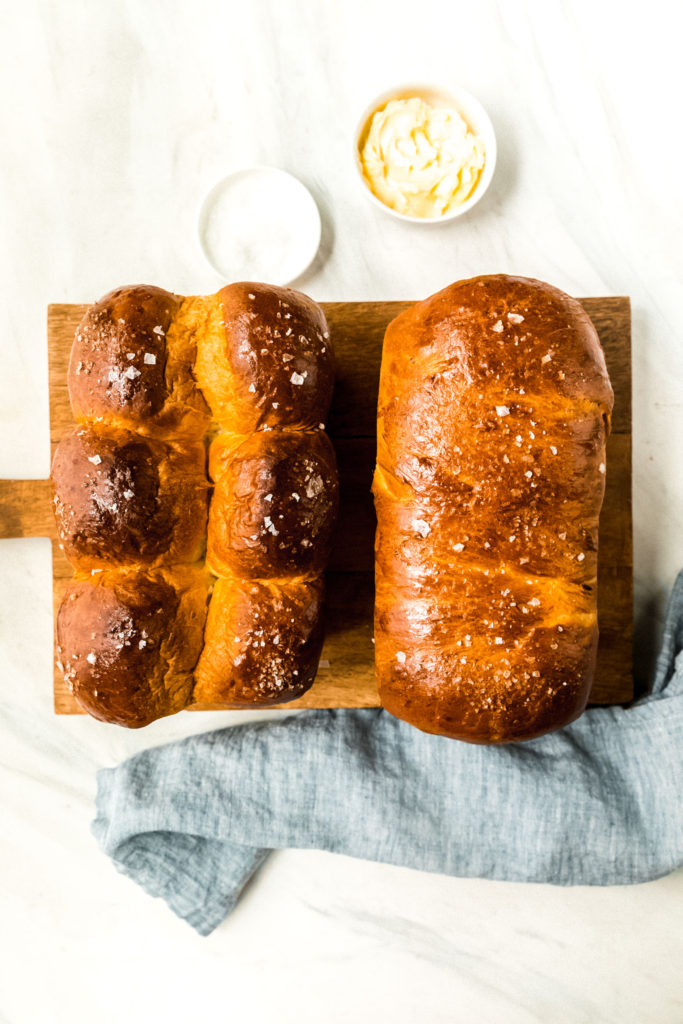
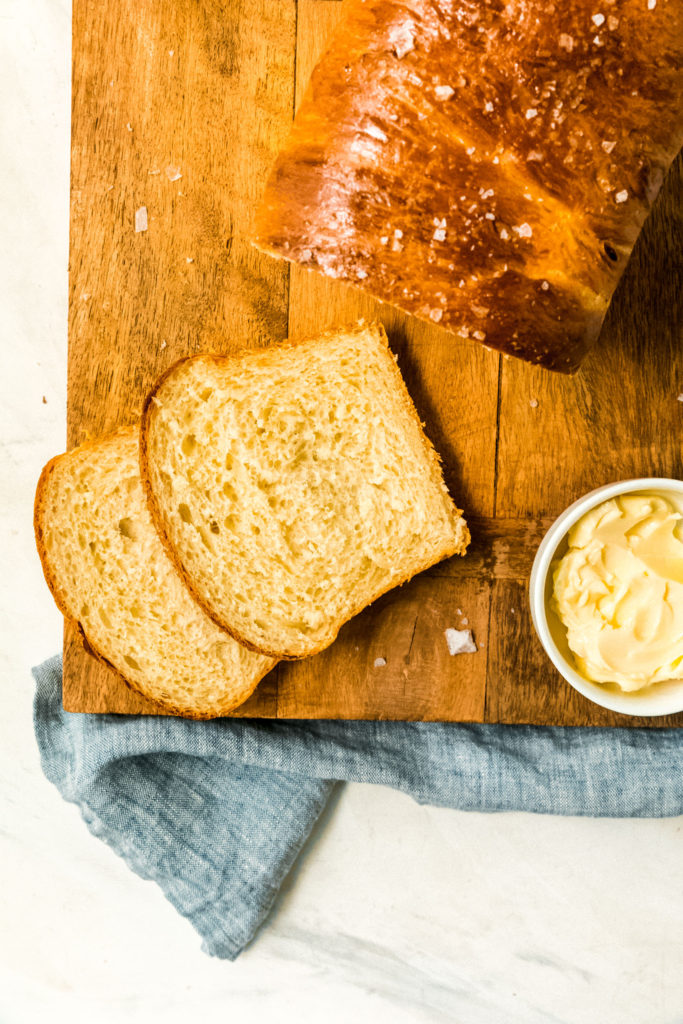
Aside from the sheer joy of baking, Kindred’s Milk Bread offers a taste of artisanal baking at home, bringing with it a sense of achievement and the unbeatable aroma of freshly baked bread. Plus, you get two loaves—which means one for eating and one for gifting, or freezing as a gift to your future self.
Here’s how to make Kindred’s Milk Bread recipe:
- Tangzhong Creation: The journey begins with the tangzhong, the key to the bread’s pillowy texture.
- Mix and Knead: Into the mixer goes the flour, dry milk powder, yeast, and salt creating the perfect stage for the tangzhong to join the ensemble, followed by eggs and butter, each actor playing its part to perfection.
- First Rise: The dough’s first rest, also called bulk fermentation, is where you’ll get the first glimpse until the luxurious texture of the dough.
- Shape and Second Rise: Whether you’re a fan of the classic loaf or showstopping rolls, how you shape your dough is completely up to you.
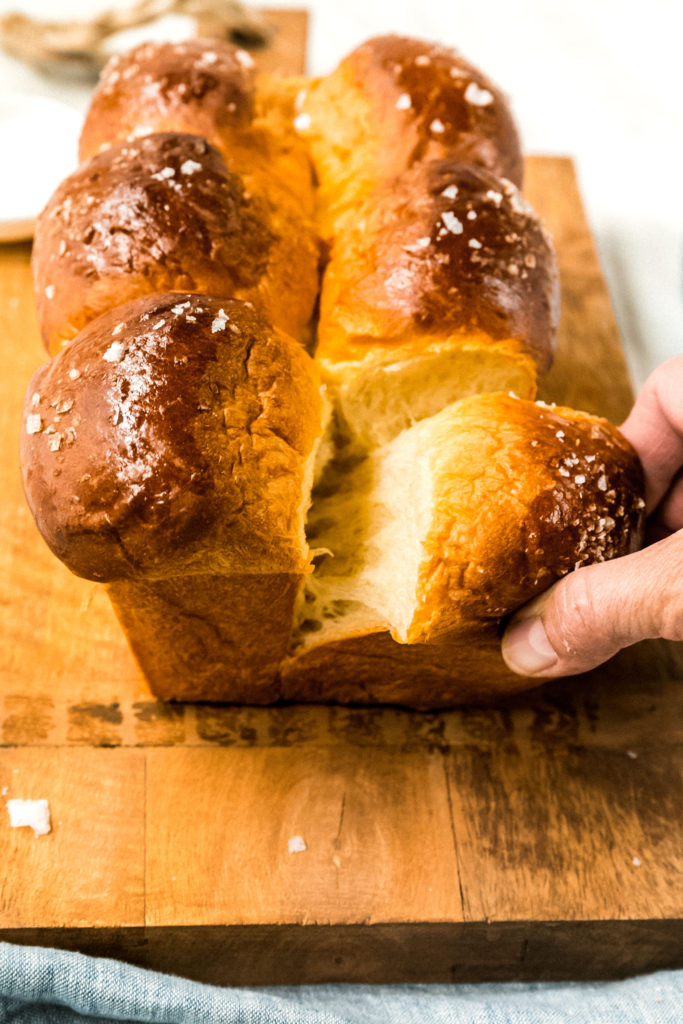
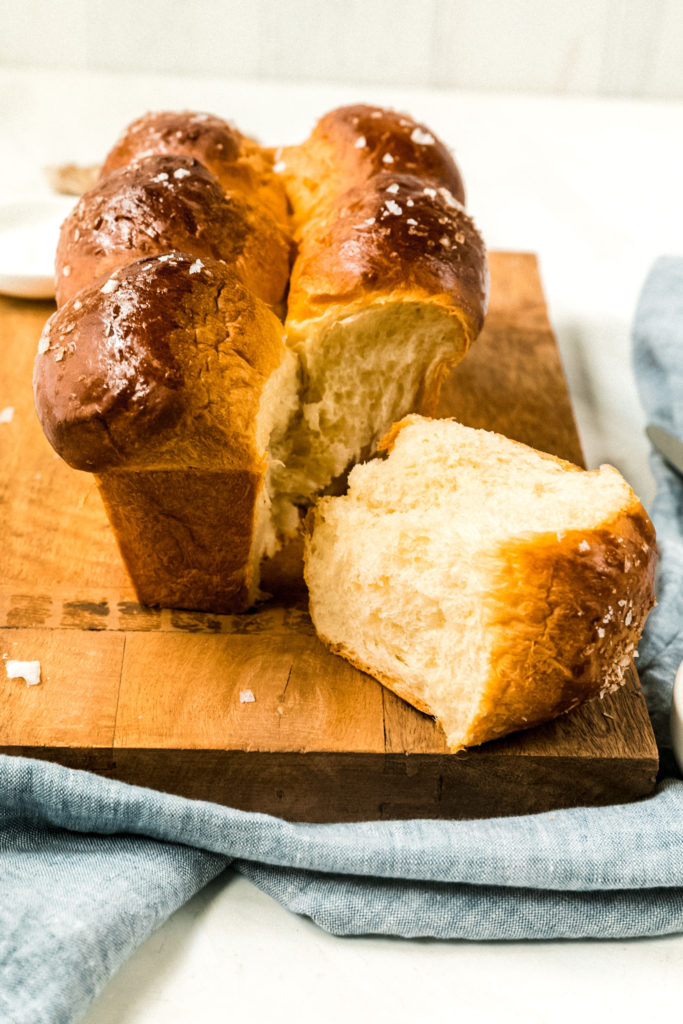
- Bake to Golden Perfection: The grand finale, where the bread poufs into a golden cloud.
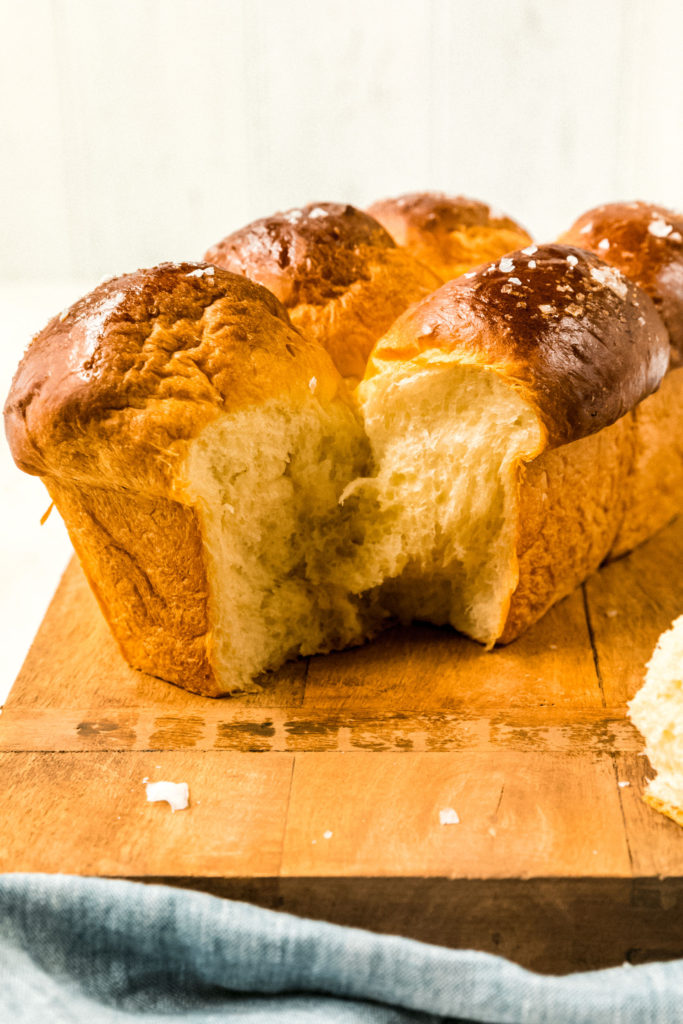
Whether you’re a seasoned baker or just starting to explore the world of yeasts and flours, this milk bread recipe is a great starting point, as it’s not incredibly complicated and delivers a result that will make you proud. Have you ever heard a bread described as feathery? This is exactly it.
Happy baking, and may your kitchens always be filled with laughter, love, and the irresistible smell of freshly baked bread.
[tasty-recipe id=”44331″]
Leave a Reply